

Visiting Spiti Valley in Winter: Ground Realities, Open Routes & Survival Guide


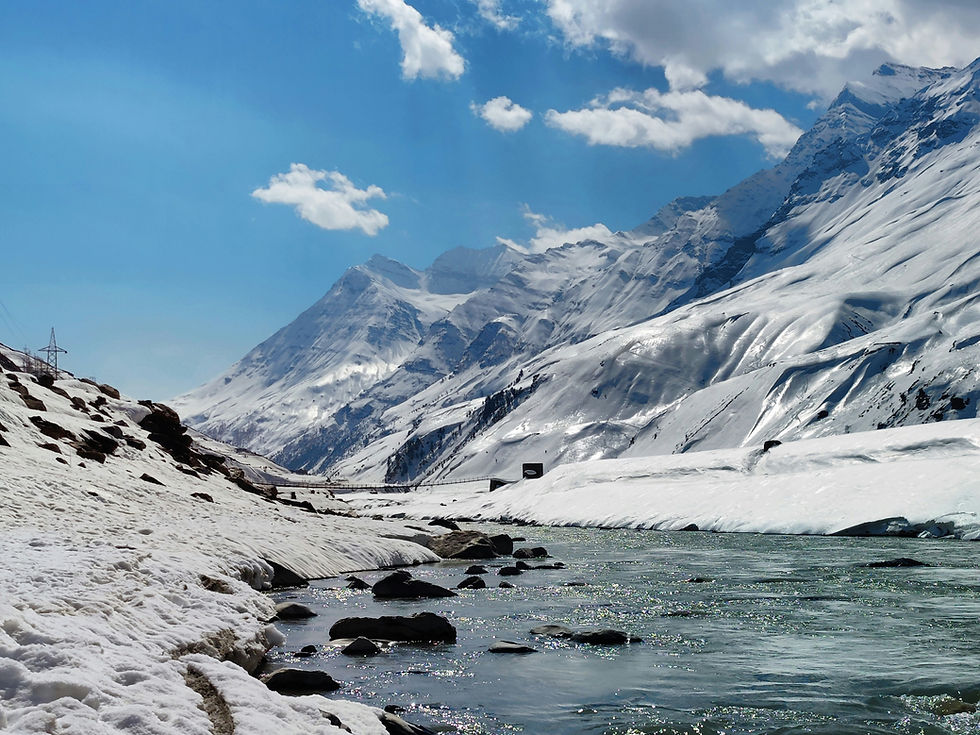
Standing at 12,500 feet inside a completely white world where rivers freeze into solid blue ice sheets, key monasteries sit blanketed in snow, and the air is so crisp it burns your lungs—that is Spiti Valley in winter.
It is also a place where night temperatures plunge to -25°C, running water completely ceases to exist, and a simple flat tire on black ice can turn into an emergency if you aren't prepared with the right mountain crew.
If you are planning to visit the "Cold Desert" between November and March, forget what you know about summer road trips. Here is the raw, unvarnished ground truth of traveling through Spiti Valley in winter, how the routes work, and how we navigate these icy high-altitude passes whether you choose our social Tempo Traveller group departures or our rugged 4x4 expeditions.
Winter Spiti: Quick Reality Check
Parameter | Ground Reality |
Season Window | November to Mid-April (Peak White Snow: Dec – Feb) |
Night Temperatures | -15°C to -30°C (Kaza, Chicham, Langza) |
Open Route | Shimla - Kinnaur - Kaza ONLY |
Closed Route | Manali - Atal Tunnel - Batal - Kunzum Pass (Blocked by snow) |
Water Supply | Zero running water/taps (Dry pit toilets only) |
Cellular Network | Jio & BSNL work in Kaza; minimal signal in high villages |
Travel Style | Tempo Traveller Group Departures or 4x4 Expeditions (with snow chains & local pilots) |
1. The Route Myth: How Do You Actually Reach Spiti in Winter?

The biggest mistake travelers make is mapping a route via Manali.
Crucial Rule: The Manali – Kunzum Pass – Kaza highway closes by late October/November due to heavy snowfall at Kunzum Pass (14,931 ft) and remains closed until May/June.
Route | Winter Status | Route Breakdown |
Shimla Route (NH-5) | OPEN Year-Round | Shimla - Rampur - Reckong Peo - Nako - Tabo - Kaza |
Manali Route (via Kunzum) | ❌ CLOSED (Nov – May) | Blocked by heavy snow at Kunzum Pass (14,931 ft) |
The Hindustan-Tibet Highway via Shimla and Kinnaur Valley remains open almost throughout the winter, barring brief 1–2 day closures during heavy snow spells at Nako or Malling Nallah.
Planning a high-altitude winter trip? Before you book, read our essential guide on High Altitude Mountain Sickness & AMS Prevention to keep your oxygen levels safe at 12,000+ feet.
2. Spiti Valley in Winter: Month-by-Month Breakdown
Month Window | Temperature Range | Ground Conditions |
Nov – Dec | -10°C to -20°C | Rivers start freezing; early snow falls |
Jan – Feb | -20°C to -30°C | Peak "White World"; riverbeds turn to solid ice |
Mar – Apr | -5°C to -15°C | Snow begins melting; spring skies open up |
November – December: The Transition to Frozen
Landscape: Rivers start freezing along the edges, and snow hits the high passes.
Why Go: Fewer crowds, clearer skies for astrophotography, and slightly manageable cold before peak January freezes hit.
January – February: The Peak "White Spiti" Experience
Landscape: Everything is buried under 2–4 feet of snow. The Spiti River becomes a frozen Highway, and Chicham Bridge looks straight out of an Arctic expedition.
Why Go: This is the ultimate bucket-list experience. High chances of sighting wildlife like the elusive Snow Leopard, Tibetan Wolf, and Blue Sheep venturing down into lower valleys.
March – Early April: The Melting Season
Landscape: High passes remain covered in snow, but valley roads start clearing up.
Why Go: Ideal for travelers who want snow views without the extreme sub-zero shock of January.
3. Tempo Traveller vs. 4x4 Expedition: Which Winter Ride Suits You?

Whether you hop into our high-clearance Tempo Travellers or our rugged 4x4 SUVs, winter mountain driving requires specialized preparation. Black ice on narrow ledges around Malling Nallah means standard city drivers cannot handle these roads.
At Panny Fack India, we offer two distinct travel styles—both fully prepped for winter with anti-freeze kits, heavy-duty snow chains, onboard oxygen cylinders, and local Himalayan captains:
Feature | Tempo Traveller Batches | 4x4 SUV Expeditions |
Trip Style | Social Group / Community | Premium Expedition |
Group Size | 10–12 Travelers | Intimate (4–5 per SUV) |
Snow Performance | Standard clearance + Snow chains | All-Wheel Drive + Max clearance (unstuck guarantee) |
Terrain Reach | Main winter highways & village roads | Off-piste snow trails & deep drifts |
Price Point | Value / Budget-friendly | Premium / Upgraded comfort |
Tempo Traveller Group Trips: Ideal for solo travelers, groups of friends, and budget-conscious backpackers who want a lively, communal vibe. You get comfortable push-back seating, stereo music for long highway hours, and a great group of co-travelers to share homestay bonfires with.
4x4 Expedition Batches: Ideal for travelers seeking an intimate small-group experience (4–5 people per vehicle) with maximum off-road clearance for deep snow drifts and rough high-altitude tracks around Langza and Hikkim.
Pro Tip: Never attempt self-driving in Spiti during winter unless you are skilled in mounting snow chains and warming up frozen diesel engines at 6:00 AM.
4. Ground Realities: What Nobody Prepares You For

A. The Dry Toilet Reality
When pipes freeze, water freezes inside taps and flushes. You will not have running water in homestays or hotels.
You will be using traditional dry pit toilets (a clean, eco-friendly local system using soil and sawdust).
Hot water for washing hands/face is provided in buckets heated on local wood/coal stoves (Bukharis).
B. Staying Warm Indoors: The Power of the Bukhari
Most standard hotels shut down in winter. Accommodations are restricted to local homestays equipped with Bukharis (traditional metal heaters placed in the living room). Homestay beds are layered with thick fleece blankets, rugs, and heavy quilts that keep you surprisingly cozy at night.
C. Vehicle Challenges & Frozen Diesel
Cars do not like -20°C. Standard diesel freezes inside fuel pipes overnight.
Our drivers light controlled heat lamps/fires under fuel tanks in the morning and use anti-freeze fuel additives so your vehicle starts smoothly every day.
5. What to Pack for -25°C: The Layering System
To survive winter Spiti, dress like an onion—in layers.
Layer | Recommended Gear | Purpose |
1. Base Layer | Heavyweight Thermal Upper + Lower | Moisture wicking & core heat retention |
2. Mid Layer | Fleece Jacket or Heavy Woolen Sweater | Traps body warmth |
3. Insulation | Heavy Down Jacket (-20°C rated) | Sub-zero freeze protection |
4. Outer Shield | Windproof & Waterproof Heavy Jacket | Blocks freezing valley wind |
Footwear: Waterproof snow boots with thick rubber soles (or good trekking shoes paired with woolen socks + fleece liners). Normal sneakers will freeze your toes within 10 minutes.
Accessories: Fleece-lined beanie, neck gaiter/balaclava, thermal gloves (waterproof outer), UV-protected sunglasses (snow glare is blinding).
Gear Extras: Hot water thermos flask, power banks (phone batteries drain 3x faster in cold), insulated water bottles.
6. The Ultimate 9-Day Spiti Valley in Winter Itinerary (Ex-Delhi)
Here is our battle-tested, gradual-ascent 9-day itinerary designed specifically for winter conditions—available in both our Tempo Traveller Group Departures and 4x4 SUV Expeditions:
Day 1: Delhi to Shimla
Board the overnight Volvo or drive from Delhi to Shimla. Check-in, rest, and gear up for the rugged mountains ahead.
Day 2: Shimla – Narkanda – Sarahan
Drive through snow-dusted pine forests of Narkanda. Visit the famous Hatu Peak (weather permitting) and reach Sarahan, home to the iconic Bhimakali Temple.
Day 3: Sarahan – Chitkul – Sangla
Enter Kinnaur Valley! Drive up to Chitkul—India’s last inhabited village near the Indo-Tibet border. Experience the frozen Baspa riverbed before heading to Sangla for overnight stay.
Day 4: Sangla – Nako – Tabo
Cross the dramatic Malling Nallah stretch. Stop by the frozen Nako Lake and drive past high cliffs to reach the historic village of Tabo, famous for its 1,000-year-old monastery.
Day 5: Tabo – Dhankar – Kaza
Visit the dramatic Dhankar Monastery perched precariously on a cliff edge. Reach Kaza—the heart of Spiti Valley—and check into your heated local homestay.
Day 6: Kaza High-Altitude Local Sightseeing
The ultimate Spiti day! Drive across snow trails to Chicham Bridge (highest bridge in Asia), Kibber, Hikkim (world's highest post office), Komic, and the giant Buddha statue at Langza.
Day 7: Kaza to Kalpa
Begin the return journey along frozen riverbeds towards Kinnaur. Reach Kalpa by evening for mesmerizing golden sunset views over the icy Kinner Kailash range.
Day 8: Kalpa – Shimla & Overnight Bus
Drive back down through the Kinnaur gorge to Shimla. Catch your overnight Volvo bus back to Delhi.
Day 9: Reach Delhi
Arrive in Delhi early morning with a phone full of frozen memories and epic reels!
(Explore our upcoming 9-Day Winter Spiti Group Trips (Tempo Traveller) or upgrade to our 4x4 Winter Spiti Expedition).
Caught the Snow Bug? Catch the Action Live!
Want to see what -25°C looks like right now on the ground? We stream our live mountain conditions, frozen river walks, and road trip moments directly from our ongoing batches!
📸 Follow Panny Fack India on Instagram (@pannyfackindia) to watch our latest reels, behind-the-scenes homestay vibes, and real-time winter updates.
Experience White Spiti with Panny Fack India

Winter Spiti isn't a trip you manage on spreadsheets and uncertain local buses—it's an expedition that requires seasoned local drivers, pre-checked heated homestays, oxygen backups, and a tight-knit crew.
Choose your preferred way to ride:
Also planning other seasonal getaways? Check out our complete road trip lineup:
Planning your winter escape? WhatsApp our Trip Captains to grab seat slots for our limited winter batch departures.
FAQ: Winter Spiti Travel

Is Spiti Valley safe in winter?
Yes, provided you travel with experienced mountain drivers in proper winter-prepped vehicles equipped with snow chains. Roads can have black ice, so experienced local navigation is crucial.
Can we visit Chandratal Lake in winter?
No. Chandratal Lake is completely inaccessible in winter. The road from Batal to Chandratal is buried under several feet of snow, and the lake stays frozen solid until June.
Should I choose a Tempo Traveller or a 4x4 Expedition for Winter Spiti?
Both options are fully equipped for winter conditions with expert mountain captains, snow chains, anti-freeze kits, and emergency oxygen backup. Choose a Tempo Traveller if you want a social group environment, comfortable seating, and maximum value. Choose a 4x4 SUV if you want an intimate small-group experience and off-road trail handling.
Is there mobile network and Wi-Fi available in Spiti in winter?
Jio and BSNL provide functional 4G/3G network coverage in Kaza town, though speed can drop during heavy snowstorms. In higher villages like Langza, Hikkim, and Chicham, network signal is negligible. Wi-Fi in homestays is usually offline during peak winter due to frozen optic fiber lines, so treat this as a digital detox trip.
Can beginners or solo female travelers join the Winter Spiti expedition?
Absolutely! Over 60% of travelers on our winter departures are solo travelers, including many first-time mountain visitors. You don't need prior high-altitude trekking experience because our trips are vehicle-based with gradual acclimatization. Our experienced Trip Captains handle all local logistics, heating, and emergency oxygen support.
How do we charge phones and camera batteries in sub-zero temperatures?
Battery power drains up to 3x faster at -20°C. Keep your phone and power banks inside your inner jacket pockets near your body heat when outdoors. In homestays, charging points work in common rooms when electricity is active, but bringing at least two 10,000mAh+ power banks is strongly advised.


Comments