

Jibhi Weekend Packing List: What to Carry for Every Season

Updated: Jun 25

Jibhi looks deceptively close on a map.
It is barely 500 km from Delhi, well within range of an overnight bus, and the village itself feels gentle compared to a high altitude trip to Spiti or Ladakh. That closeness makes people underpack. They assume Jibhi will have whatever they forgot, the way most weekend getaways near Delhi do.
It does not, not always. We have taken groups to Jibhi across every season and the pattern repeats. This Jibhi weekend packing list is built from what people forget, not from a generic checklist. People pack for the photos and forget the practical stuff that actually makes the trip comfortable.
Three things before the season by season breakdown, because these are the ones that genuinely catch people off guard.
Carry a power backup. Electricity is not as stable as you think. Jibhi is a small mountain village and power cuts happen more often than the proximity to Delhi suggests. Most guesthouses do not have backup generators running through the night. A power bank, fully charged before you leave, is not optional.
Waterproof your essentials, not just yourself. A rain jacket protects you. It does nothing for your phone, documents, or camera if you get caught in a sudden shower, which happens often given how close Jibhi sits to the monsoon belt. Pack a dry bag or even simple ziplock bags for anything electronic or paper.
Carry light snacks. Cafes are not always five minutes away. Jibhi's cafes are genuinely good but they are spread out, and between the waterfall, Jalori Pass, and the village itself, you can easily go a few hours without a proper food stop. A few energy bars or dry snacks in your daypack save you from a hangry forest walk.
Jibhi Weekend Packing List for every season

Regardless of when you visit, these go in the bag.
Government ID and a couple of photocopies, for checkpoints and guesthouse check-in.
Cash. There is one ATM in Banjar, about 10 km from Jibhi, and it does not always work. UPI is patchy in the village itself. Carry what you need for the whole trip.
Power bank, at least 10,000 mAh, given the power cut situation mentioned above.
Torch or headlamp for the frequent power cuts and for walking back from riverside cafes after dark.
Sunglasses and sunscreen. The sun reflects strongly off the river and at this altitude does more damage than people expect, even in winter.
Slippers or crocs for riverside guesthouses where you will be in and out of your room a lot.
Small daypack for the waterfall walk, Jalori Pass, and any short hikes.
Reusable water bottle and the snacks mentioned above.
Spring: March to May

Expect blooming rhododendrons, cool mornings, and pleasant afternoons. This is peak season for a reason.
Clothing: Light fleece or sweatshirt, full-sleeve shirts for layering, trek pants or jeans, a light scarf, and proper hiking shoes or sturdy sneakers.
Extras: A light jacket for evenings since temperatures drop noticeably after sunset even in May. Sunglasses and a cap for daytime walks.
This is also when most groups come, so guesthouses fill up fast. Weekend stays need booking 10 to 14 days ahead.
Monsoon: June to August

Misty trails, lush green hillsides, but also slippery paths and the occasional landslide on connecting roads.
Clothing: Quick-dry t-shirts, synthetic trousers since denim takes forever to dry and stays heavy when wet, a proper waterproof jacket or poncho, and anti-slip trekking shoes rather than regular sneakers.
Extras: Mosquito repellent, a few extra plastic or ziplock bags for wet clothes, and a rain cover for your backpack. This is also exactly when the waterproofing tip from earlier matters most. Keep your phone and any documents sealed.
Jibhi receives less rainfall than the regions immediately around it, so the village itself stays manageable even when Manali or the wider valley is getting hit harder. Roads can still be affected, so build in a buffer day if your schedule is tight.
Autumn: September to November

Clear skies, golden hillsides, and cool, crisp air. This is the most underrated season to visit and also our personal favourite for Jibhi.
Clothing: A sweatshirt and light jacket combination, full-length trousers, a beanie or cap, and warm socks.
Extras: Light gloves for chilly mornings, especially if you are heading up towards Jalori Pass or Serolsar Lake. The light during this season is genuinely the best of the year if you care about photography.
This is the best time for the Serolsar Lake trek specifically. Sturdy shoes are essential since the forest trail gets uneven in places.
Winter: December to February
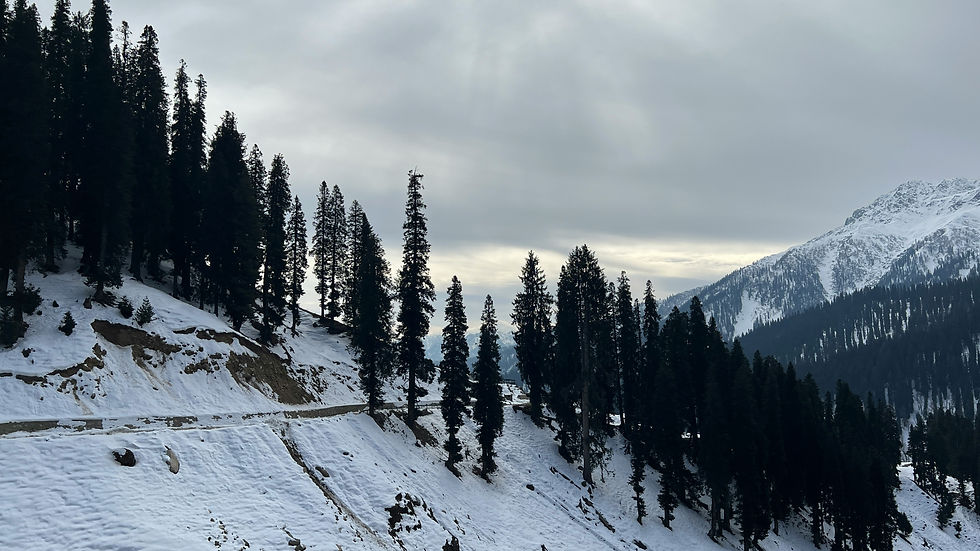
Cold, often snowy, and genuinely magical. Jibhi in winter is a different place entirely from the spring and autumn version.
Clothing: A heavy jacket or down parka, full thermal sets, woolen socks, beanie, and muffler, waterproof gloves if you can find them, and a fleece inner layer.
Extras: Lip balm and moisturiser since the cold dries skin out fast, heat pads if you tend to feel cold easily, and insulated boots if snow is forecast for your dates.
Most rustic homestays in Jibhi do not have room heaters. If you are staying in one of these, carry a hot water bag. It makes a real difference at 2 AM when the temperature has properly dropped.
Tech and Camera Gear
If you are bringing a proper camera setup, a few things matter beyond the obvious.
Extra batteries, since cold drains them noticeably faster than usual.
Dustproof and waterproof covers for your gear given the river spray near the waterfall and the unpredictable monsoon showers.
A tripod if you are chasing the early morning fog shots over the river, which are some of the best images people come back with from Jibhi.
Drones need checking against local restrictions before you fly one, particularly near any forest areas.
Toiletries and Med Kit
Basic toiletries, a small towel, and travel-size shampoo and soap.
A mini first aid kit with band-aids, antiseptic, paracetamol, and any personal medication with extra supply.
Diamox if you know you are sensitive to altitude, though Jibhi's elevation is mild enough that this is rarely necessary for most people.
Consider eco-friendly soap and shampoo bars.
Jibhi's river is part of what makes the village what it is, and keeping it clean matters more here than in most places.
Backpack vs Suitcase
Backpack wins, almost every time.
If you are staying riverside, climbing to a hillside cottage, or planning to move between cafes and short walks throughout your trip, a suitcase becomes a genuine inconvenience.
A 40 to 50 litre backpack with good shoulder support handles all of this far better.
Suitcases only make sense if you are staying at a single hotel-style property with minimal movement planned, which is not really how most people experience Jibhi.
Final Tips from the Mountains

Layer smart. A single day in Jibhi can swing between 8 and 22 degrees depending on the season, so layers that come on and off beat one heavy item every time.
Stay hydrated, even though Jibhi's altitude is mild compared to Spiti or Ladakh. Long walks add up faster than people expect.
Travel light where you can. The best parts of a Jibhi trip, the waterfall walk, sitting by the river, the cafe evenings, do not need much gear.
Support local where possible. A handmade wool cap or a local craft from one of the village shops is a better souvenir than anything mass-produced.
Coming to Jibhi with Panny Fack India
We run small group weekend trips to Jibhi and Tirthan Valley covering the waterfall, Jalori Pass, Serolsar Lake, Raghupur Fort, and the best cafes in the village. Read our full Jibhi weekend trip for the complete breakdown of the trip.
Accommodation, transport from Delhi, and the planning in between is sorted. You pack from this list and show up.
Browse all our Weekend Trips or check our Road Trips if you are thinking about something longer.
More Reading
Best cafes in Jibhi: where to eat well across the village
Best time to visit Spiti Valley: if Jibhi has you thinking about a bigger mountain trip next
Best place to visit in Jibhi: useful reading if Jibhi is your first mountain trip and you need help with planning.
FAQs

What is the most commonly forgotten item for a Jibhi trip?
A power bank. Most people assume electricity will be stable given how close Jibhi is to Delhi, and are caught off guard by power cuts in the village, especially at the smaller riverside guesthouses.
Is Jibhi cold even in summer?
Evenings stay cool year-round, even in peak summer months like May and June. A light jacket for the evening is worth packing regardless of when you visit.
Do I need cash in Jibhi?
Yes. The nearest ATM is in Banjar, about 10 km away, and it does not always work reliably. Carry enough cash for your full trip.
What should I pack for monsoon season in Jibhi?
Quick-dry clothing, a proper waterproof jacket rather than a thin poncho, anti-slip shoes, and waterproof protection for your phone and documents. A few extra plastic bags for wet clothes go a long way.
Is a backpack better than a suitcase for Jibhi?
Yes, almost always. Riverside guesthouses, hillside cottages, and the general movement involved in a Jibhi trip make a 40 to 50 litre backpack far more practical than a suitcase.
Do homestays in Jibhi have room heaters?
Most rustic riverside homestays do not. If you are staying in one during winter, carry a hot water bag and extra thermal layers for the night.
Panny Fack India runs weekend trips to Jibhi and Tirthan Valley year-round. See the Jibhi Weekend Trip or WhatsApp us with your dates.


Comments